

Double Dapple Coat Pattern Comes With Well Known Disabilities
Double dapple dachshunds have a beautiful coat pattern that is associated with well known disabilities; that should be enough to put a stop to breeding double dapples. Even if that means checking the DNA of the parent dogs before breeding. Blue eyes are not uncommon, but neither is poor eyesight, blindness, micro eyes and even missing eyes, deafness, poor hearing; things not so cute for the dogs suffering with them.
Breeding a pair of dachshunds with merle coat-patterns produces a “double merle” a.k.a. “double dapple” a dog with homozygous or two merle alleles: MM. Each puppy born has a 25% chance of homozygous MM that’s one in every four puppies, or 25 out of 100 dogs.1
It’s crucial to shed light on the health challenges that come with these distinctive coat markings. Let’s explore the world of double dapple dachshunds and discuss the disabilities that may arise due to irresponsible breeding practices.
The Double Dapple Coat
Genetics comes into play in order to get a double dapple coat, and the coat comes with well known disabilities that are not worth the risk. Double dapple coats have two merle alleles, MM. These alleles are variations of genes that affect traits. The M allele is a semi-dominant genetic trait which only takes one copy to create a dapple dog.
To get a double dapple dog, two dapple parents who have Mm alleles are needed.
Because the M is a semi-dominant gene and the m is a recessive gene, the two dapple parents will pass both of their MM semi-dominant genes on to their puppies, making them double dapple with their two MM alleles. This breeding practice – while aimed at achieving a specific aesthetic through the coat markings – can lead to a range of serious health issues for the puppies.
“Awareness is key to responsible breeding; it is not recommended to breed two merles together.” — AKC Merle in Dogs
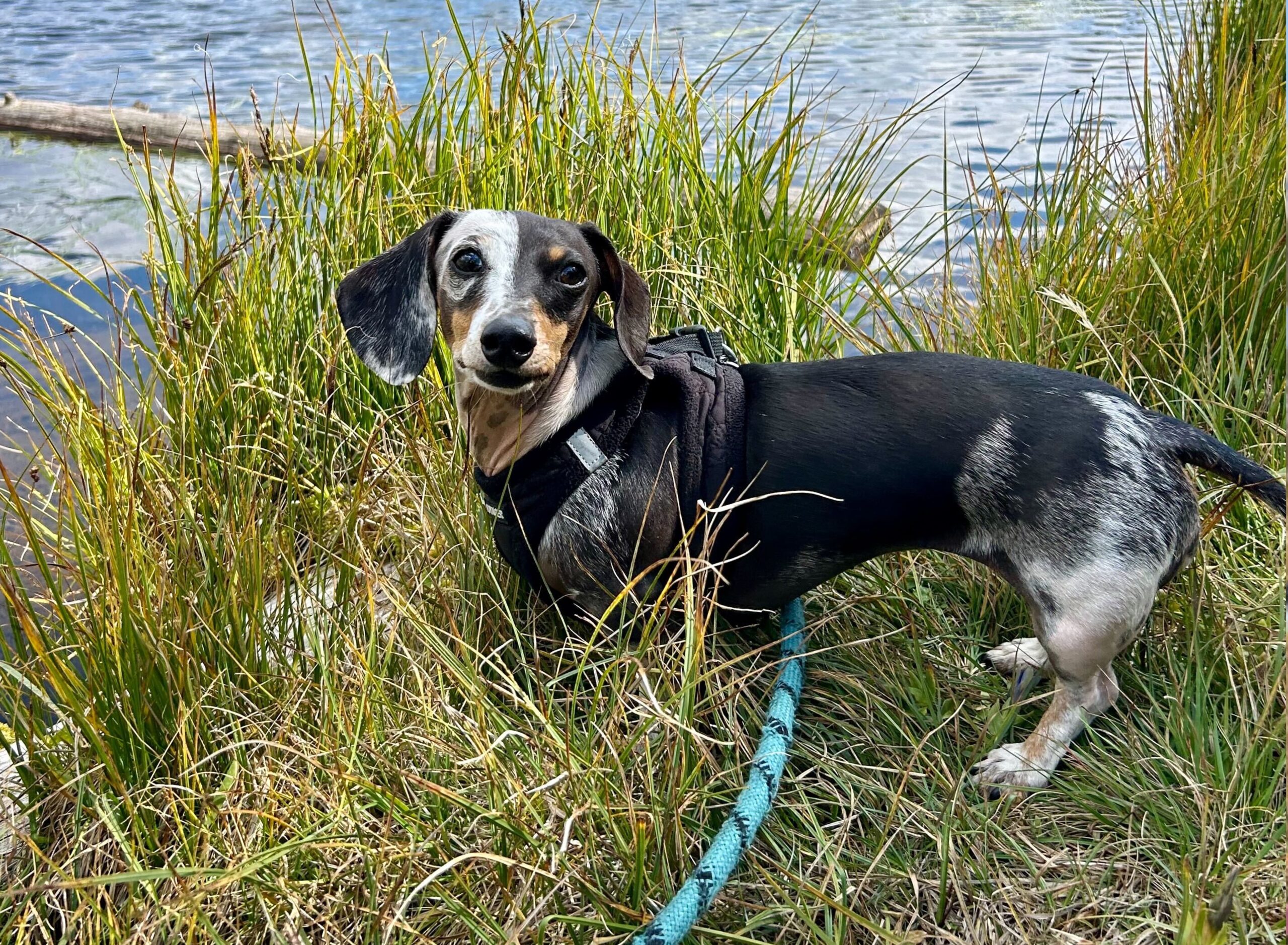
A dapple (a.k.a. merle) patterned coat is based on the pigment in the coat. It’s the same pigment but some areas are light and some dark; as shown with the brown and light-brown dapple dachshund. Now to make things confusing, double dapple coats don’t exactly look like a dapple coat. A double dapple coat has a lot of white area and significantly less, and smaller blotches of pigment. UC Davis Veterinary Genetics Laboratory explains that “Merle is an incompletely dominant coat color pattern characterized by irregularly shaped patches of diluted pigment and solid color.”
Health Problems Associated with Double Dapple Dachshunds
Responsible breeders prioritize the health and well-being of their dogs. Unfortunately, some breeders focus more on achieving specific coat patterns without considering the potential consequences for the dogs’ health overall. Here are some of the disabilities that can be associated with double dapple dachshunds:
Poor Eyesight
Double dapple dachshunds are prone to vision impairments, ranging from poor eyesight to complete blindness. The unique genetics that result in the double dapple coat pattern can affect the development of the eyes, leading to visual disabilities for the dogs.
Micro or No Eyes
In severe cases, double dapple dachshunds may be born with microphthalmia with coloboma (MAC) i.e. small or “micro” eyes or anophthalmia, no eyes. They may also have conditions impacting the pupil and retina, general problems with their vision and blindness. These conditions significantly impact the dog’s quality of life and require special care and attention from their owners.
Hearing Impairments
Irresponsible breeding practices can also contribute to hearing impairments in double dapple dachshunds known as sensorineural deafness. These dogs may experience partial or complete deafness, affecting their communication and interactions with their environment.
Kidney Trouble
Some double dapple dachshunds –may- be more susceptible to kidney issues, such as renal dysfunction or a higher risk of kidney disease, highlighting more of the potential health concerns associated with this unique coat pattern.
The Role of Responsible Breeding
It’s crucial to highlight the importance of responsible breeding practices in ensuring the overall health and well-being of dachshunds. Responsible breeders prioritize the genetic health of their dogs by conducting health screenings (including DNA checks) and by avoiding breeding practices that can lead to disabilities.
While double dapple dachshunds may have a visually striking appearance, it’s essential for dog owners to be aware of the potential health challenges associated with this coat pattern and the unnecessary suffering caused by uninformed or irresponsible breeding. It’s not uncommon for them to have one of the issues noted. Add more than one and you find the dog has more substantial struggles and miscommunication between humans and dogs.
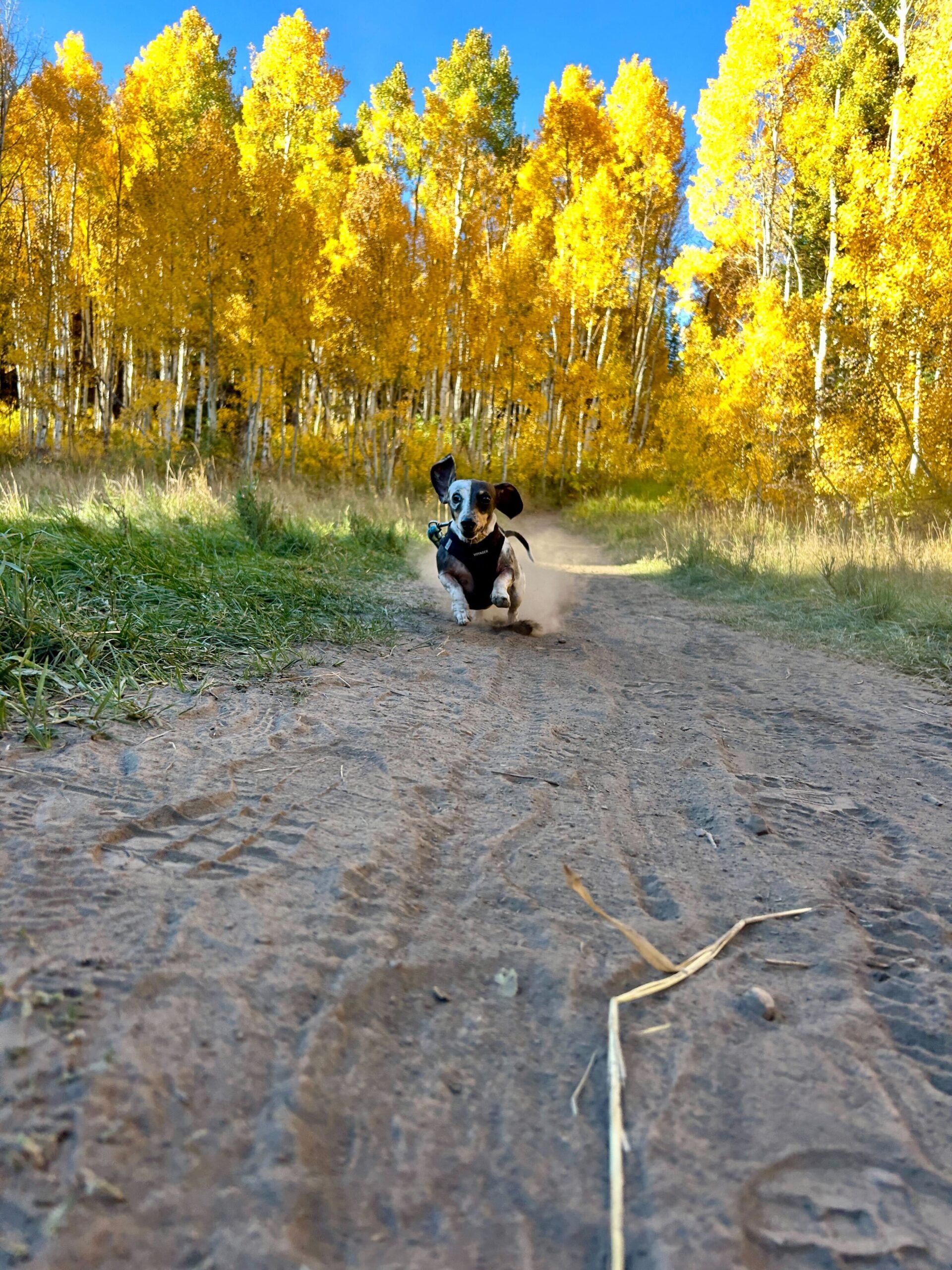
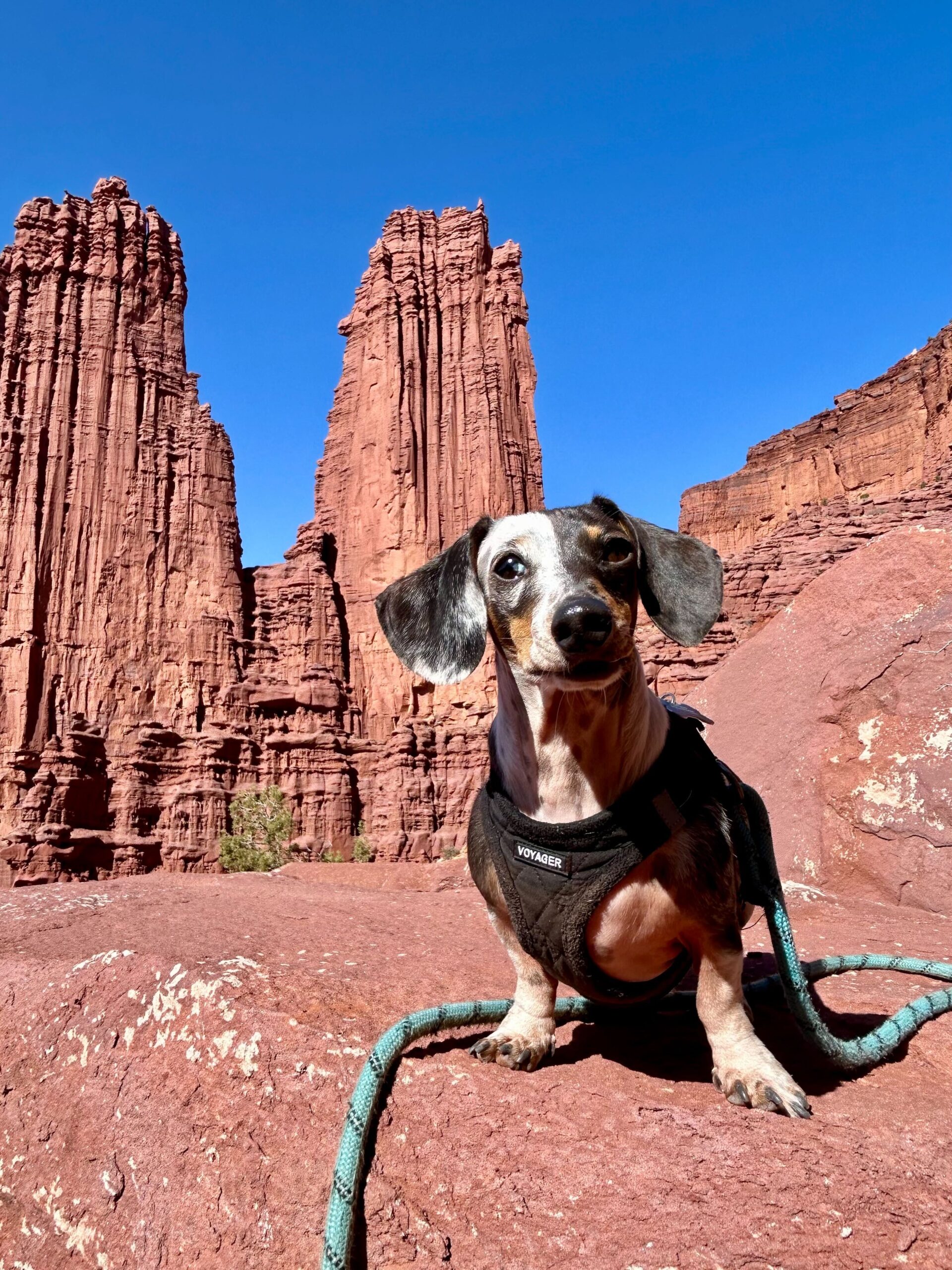
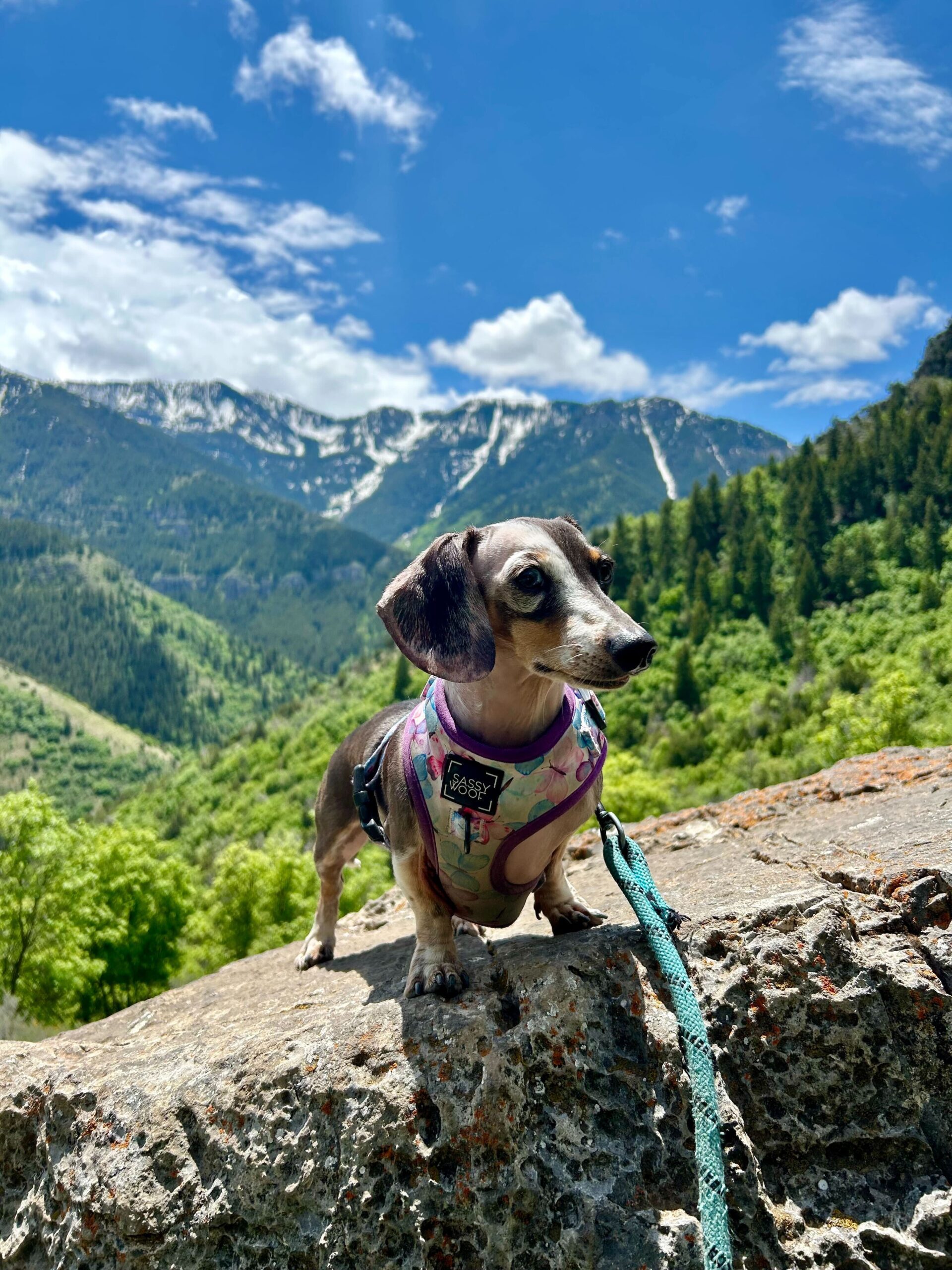
Photography Credits for the photo at the top of this article, and for the photo gallery below:
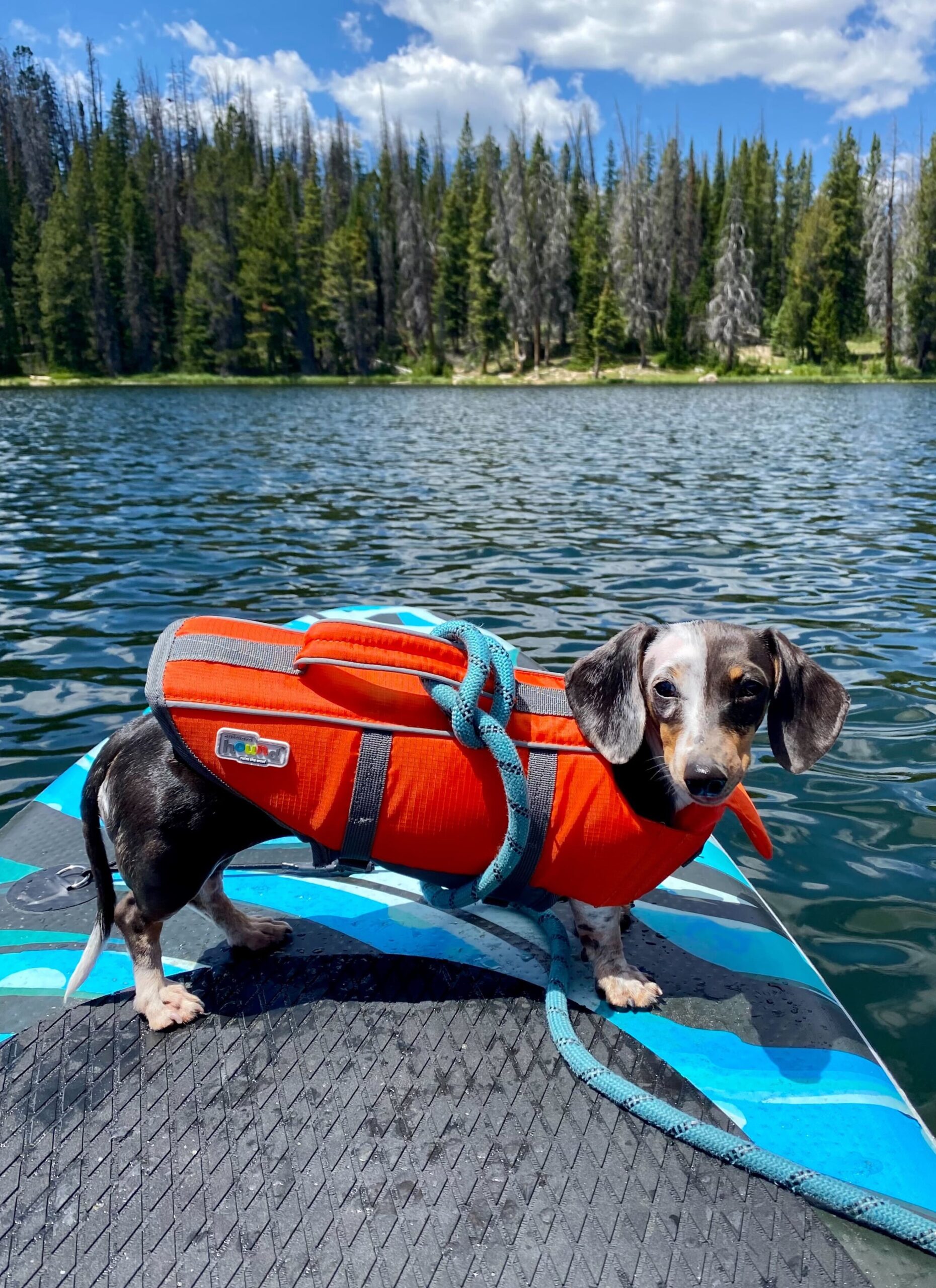
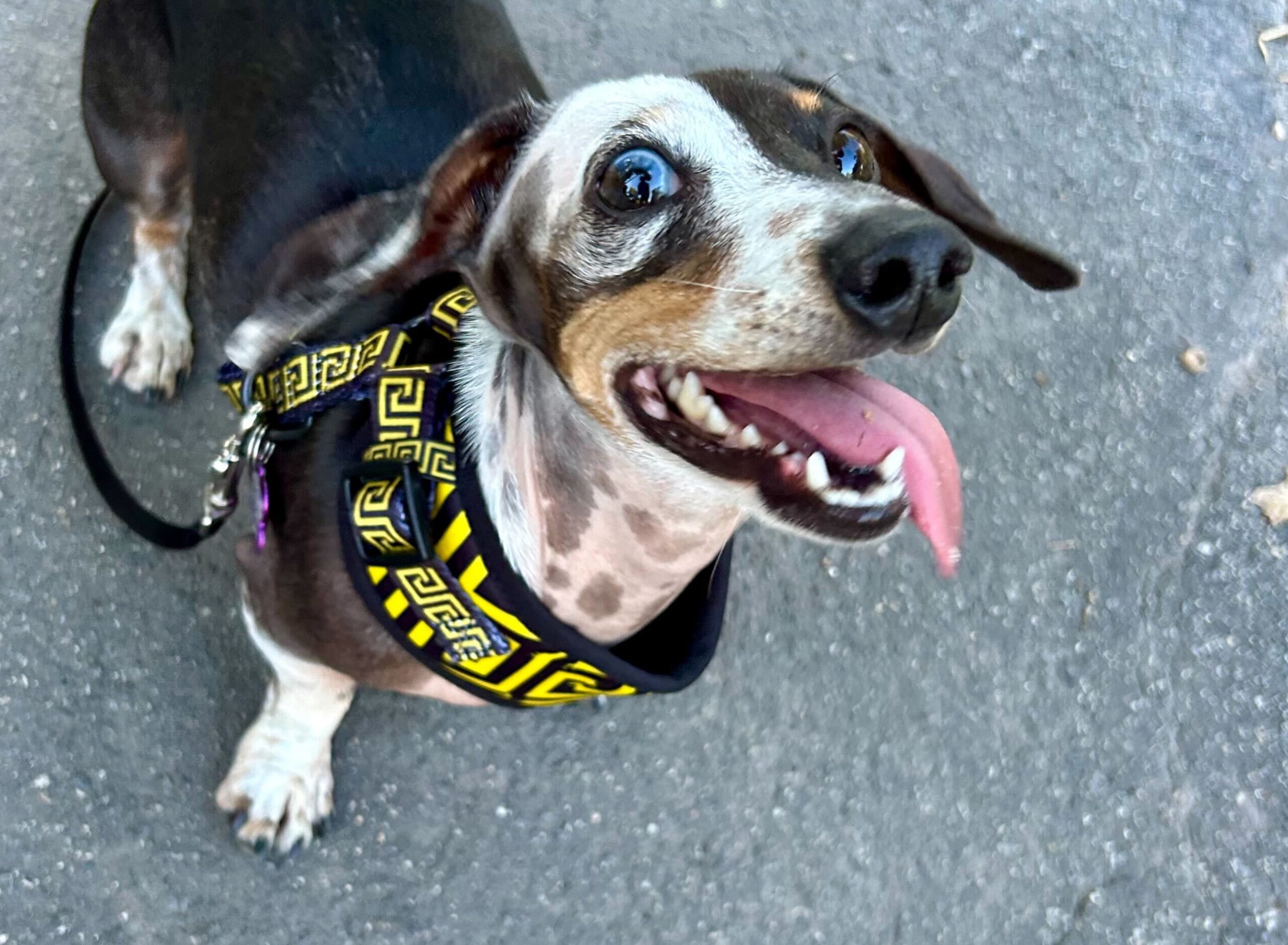
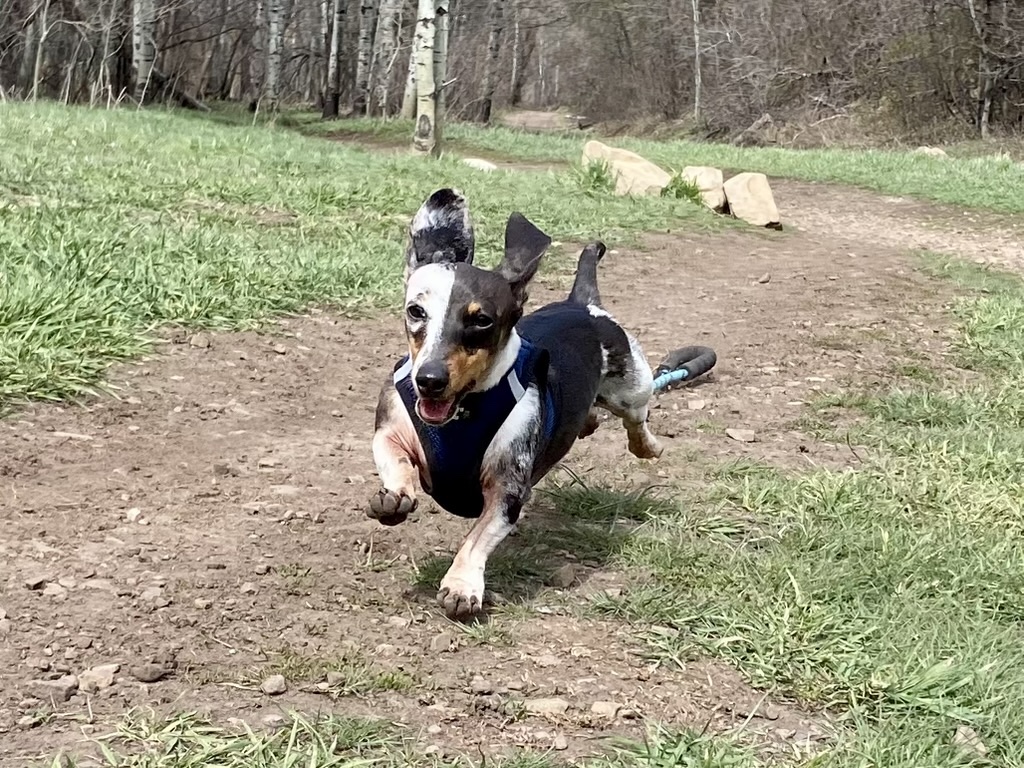
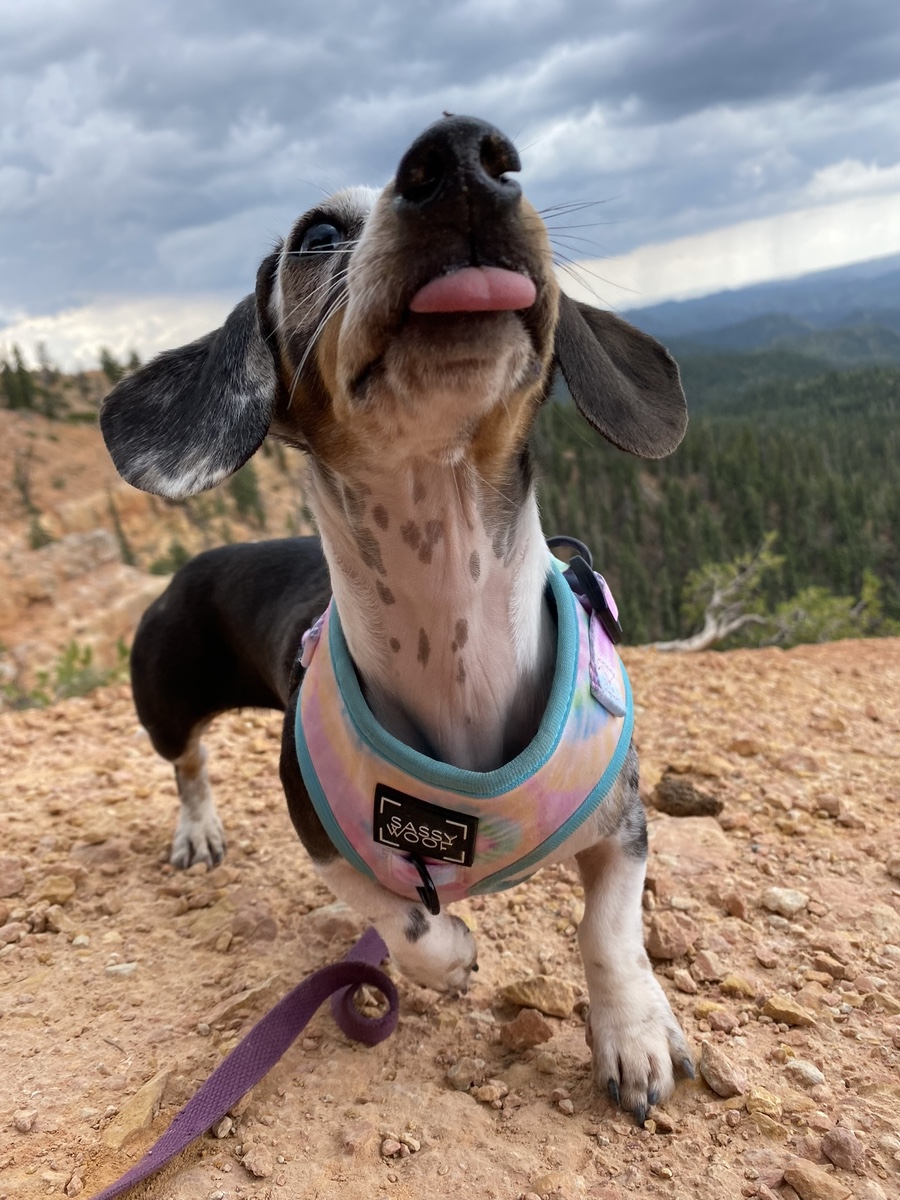
Photos of miniature double dapple dachshund “Poppy” by Sharon Turner. Poppy is deaf.

poppy_double_dapple5
poppy_double_dapple6
poppy_double_dapple3
poppy_hiking
poppy_dachshund_hiking
IMG_0481
IMG_9667 (1)
IMG_0066
poppy_double_dapple2

poppy_double_dapple4

By simply not adopting them you can help fight the supply and demand of double dapple dachshund puppies. Together we can contribute to the well-being, health, and happiness of our beloved dachshunds.
Note: Young children and double dapples are not the best mix given if the dogs can’t see or hear well. The lack of understanding for the dog and their disabilities can cause issues.
References:
1. Animal Genetics: M-Locus Merle (Merle / Cryptic Merle)
2. AVMA: Inheritance of Microphthalmia with Coloboma in the Australian Shepherd Dog
Kahn Academy: Alleles & Genes
King Kingsley
UC Davis Veterinary Genetics Laboratory: Merle
Dachshund Breed Council UK: Dach-Facts: Double Dapple Health Risks
AKC Canine Health Foundation: Gene for Merle Color Pattern Discovered
https://vgl.ucdavis.edu/test/merle

-- Unknown


AVAILABLE DOGS

Make a Donation

Volunteer

About Us | Available Dogs | Surrender | Donate | Volunteer | Linktree | Privacy Policy
Contact – As a volunteer-driven organization, we strive to return your call promptly. Please allow us up to 24 hours to respond to your inquiry.
Rocky Mountain Dachshund Rescue
1953 S 1100 E, Unit 522461, Salt Lake City UT 84152
(801) 432-0785 (Voice Mail or Text)
RMDR is a 501(c)(3) nonprofit. Our tax identification number is 88-3314809. Contributions are tax deductible to the extent permitted by law.
Copyright © 2025 Rocky Mountain Dachshund Rescue. All rights reserved.
